Electronics & embedded
Analog/digital circuit design; Raspberry Pi, ESP32, Arduino; sensor and actuator integration (IMU, servo, motor drives); hands-on assembly and soldering.
A task-configurable tracked ground platform, ruggedized operator stations, relay masts and encrypted frequency-hopping control links — full-cycle hardware and software engineering with iterative field validation since 2023. TRL 6 field campaign under way in 2026.
Not a single fixed vehicle — a modular tracked platform configured per mission. Chassis, tracked mobility system and control architecture are built in-house, with proven COTS drive components integrated; payload, communications and control attach as swappable modules. Amphibious variant in development (untested — part of the ongoing 2026 campaign).
Full platform page: concept, specifications, all field tests →
Field mobility tests, 2025: grass slope · stair climbing · soft mud · loose sand at speed.
Custom radio-control modules (ESP32 + LoRa) running an in-house encrypted, frequency-hopping (FHSS) control protocol with configurable channel plans and mesh scenarios.
Live bench test: receiver channel output (left) stays steady while the carrier hops across the band (SDR waterfall, right).
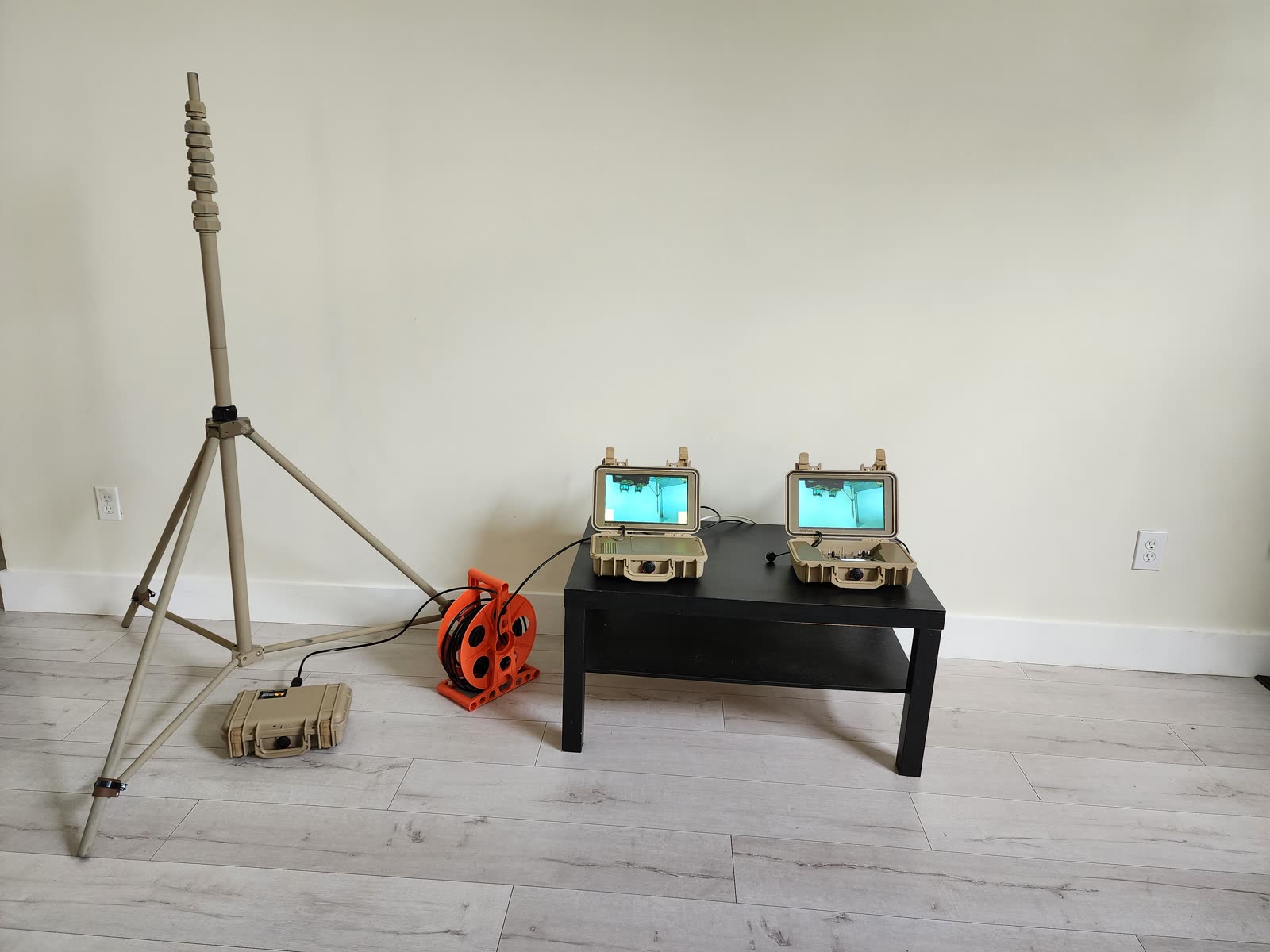
Modular operator stations built into compact IP67 transport cases — open the lid and the station is ready: integrated display, controls, communications and power.
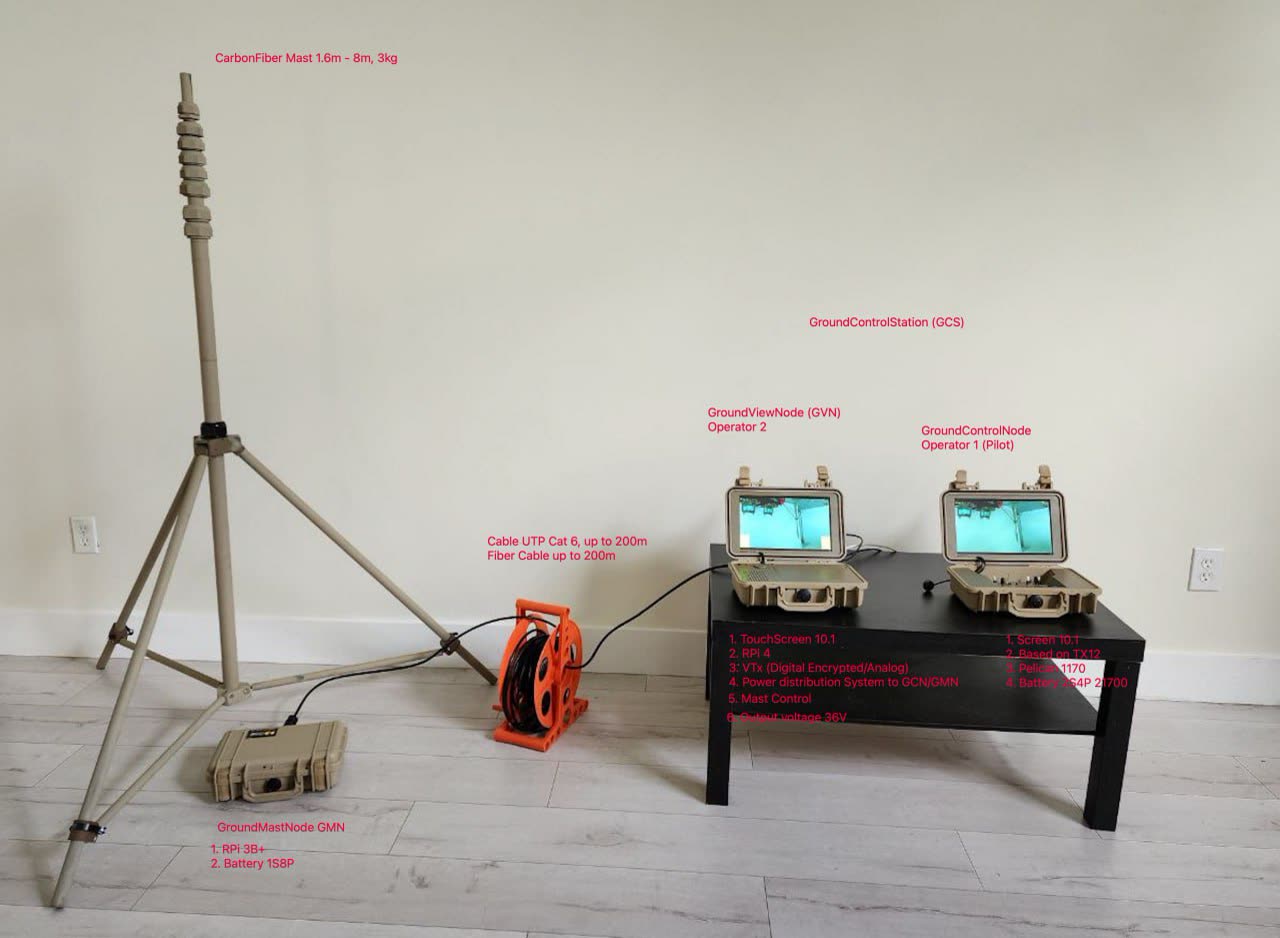
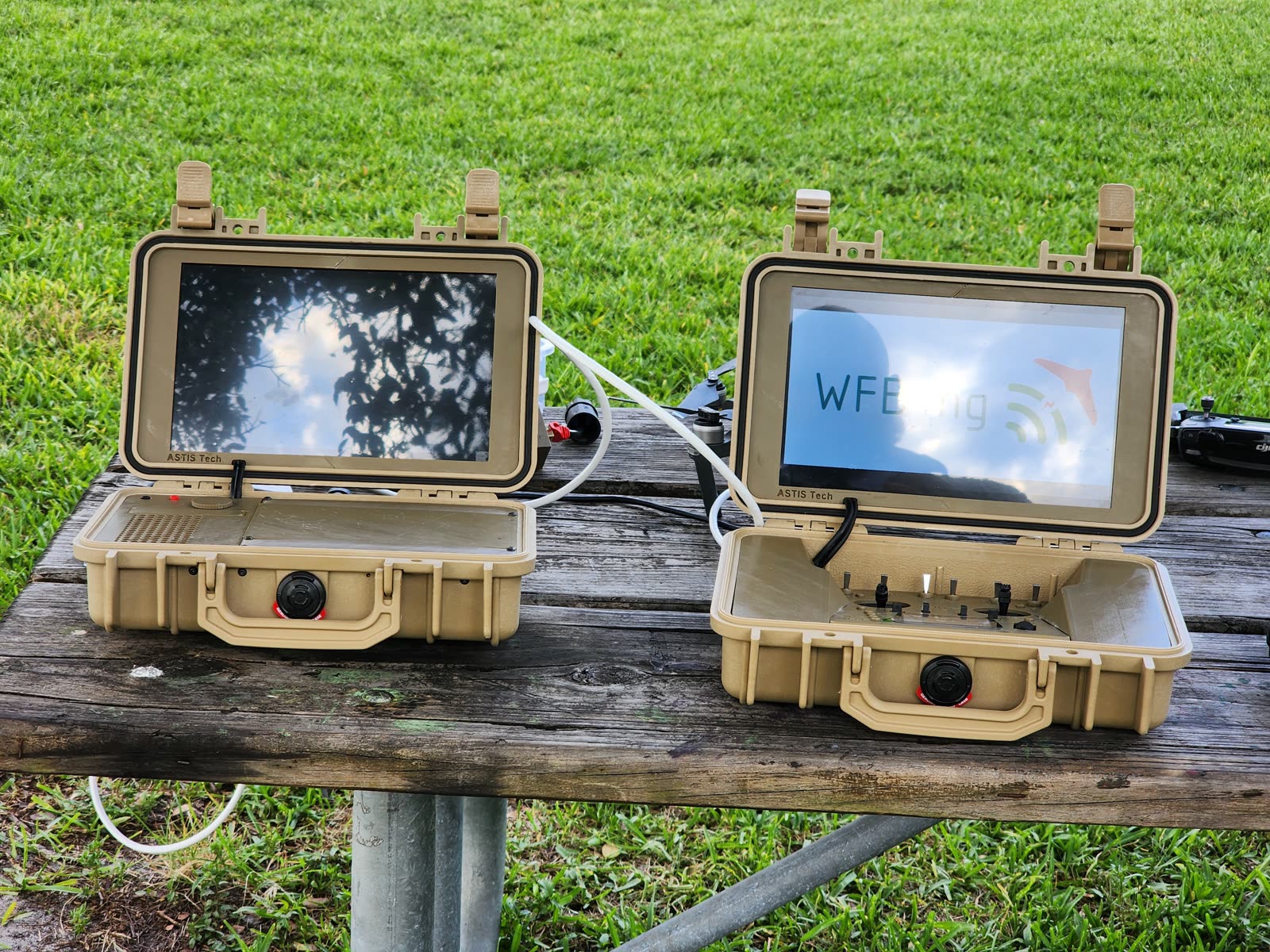
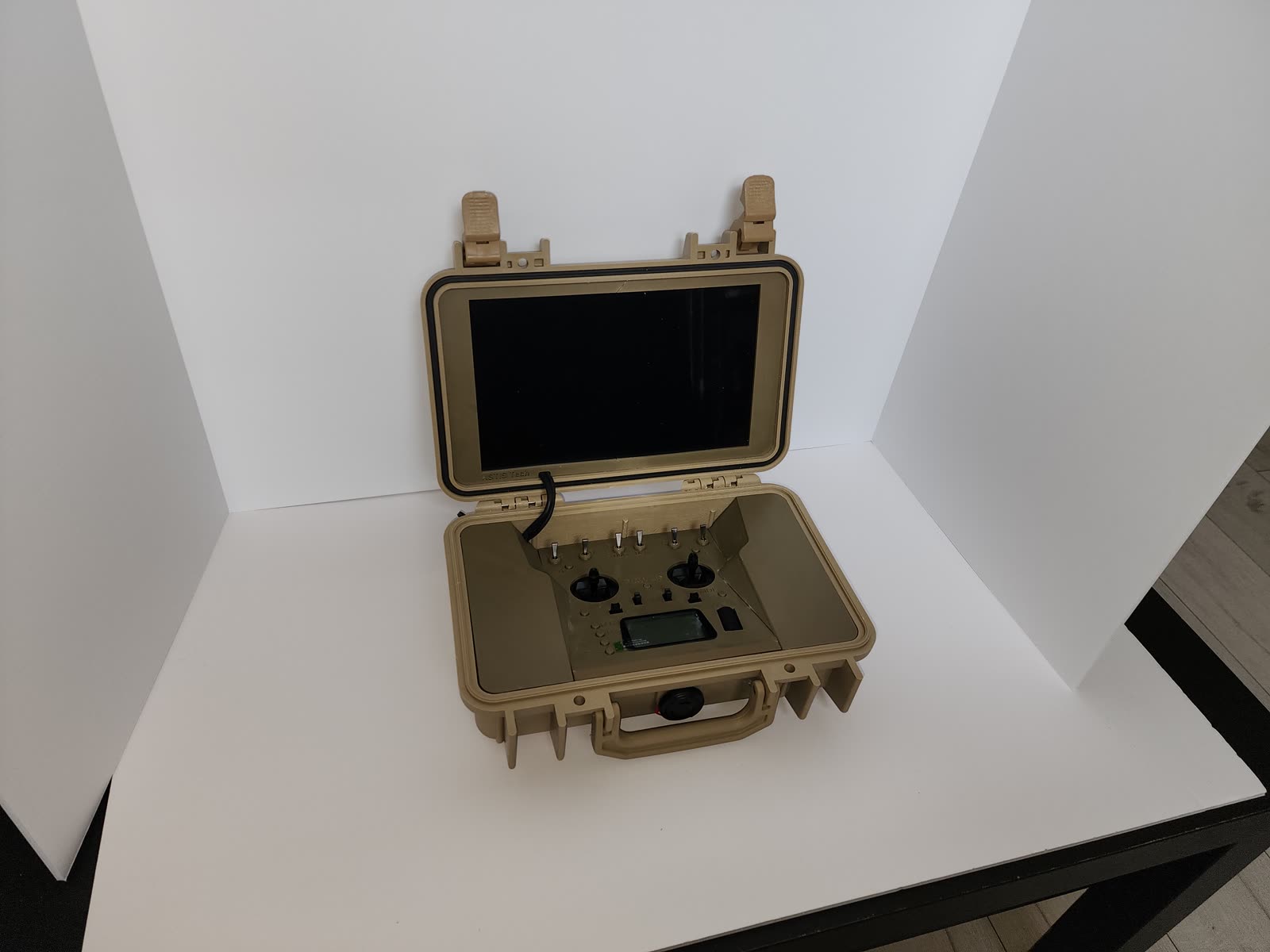
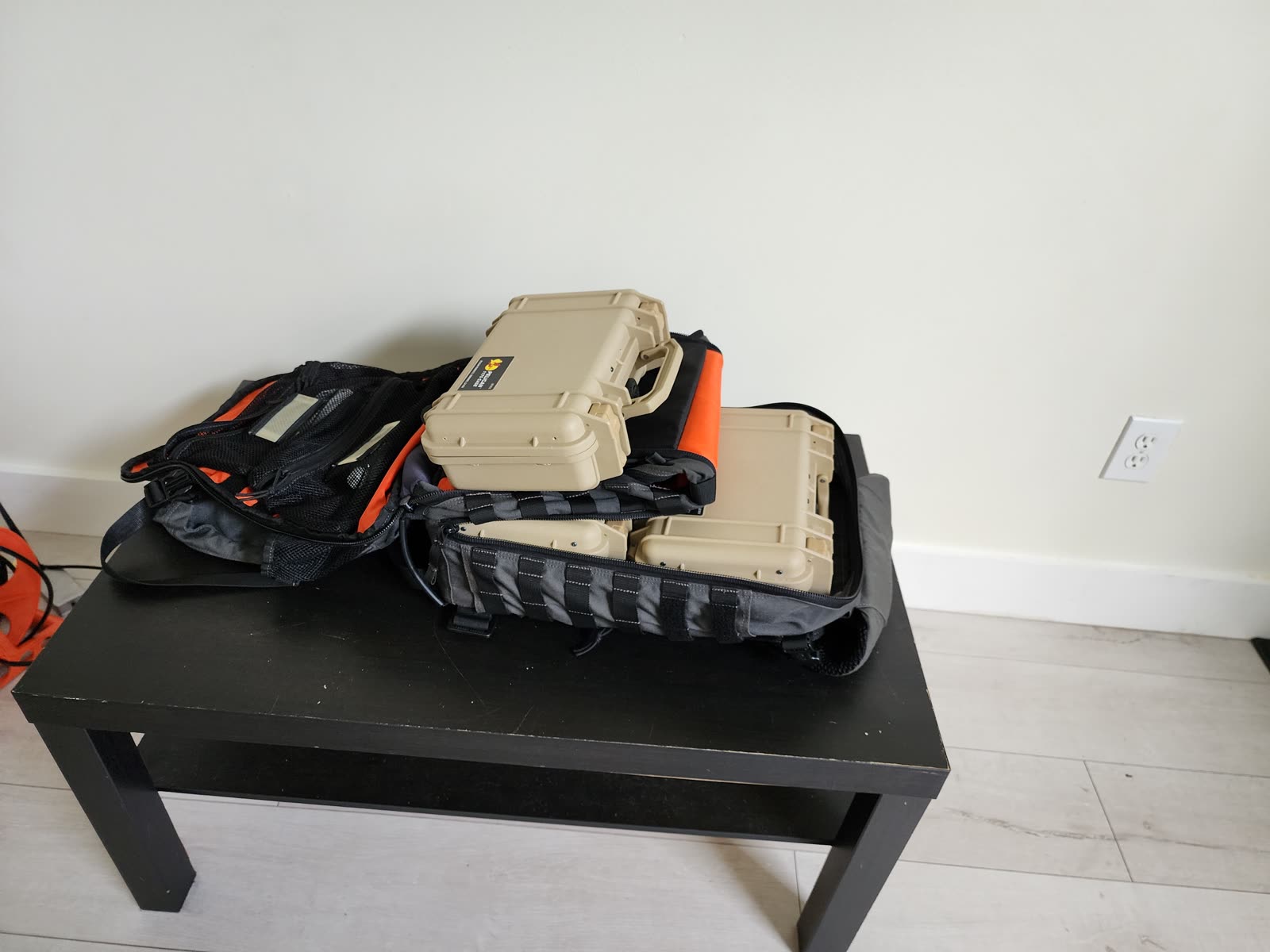
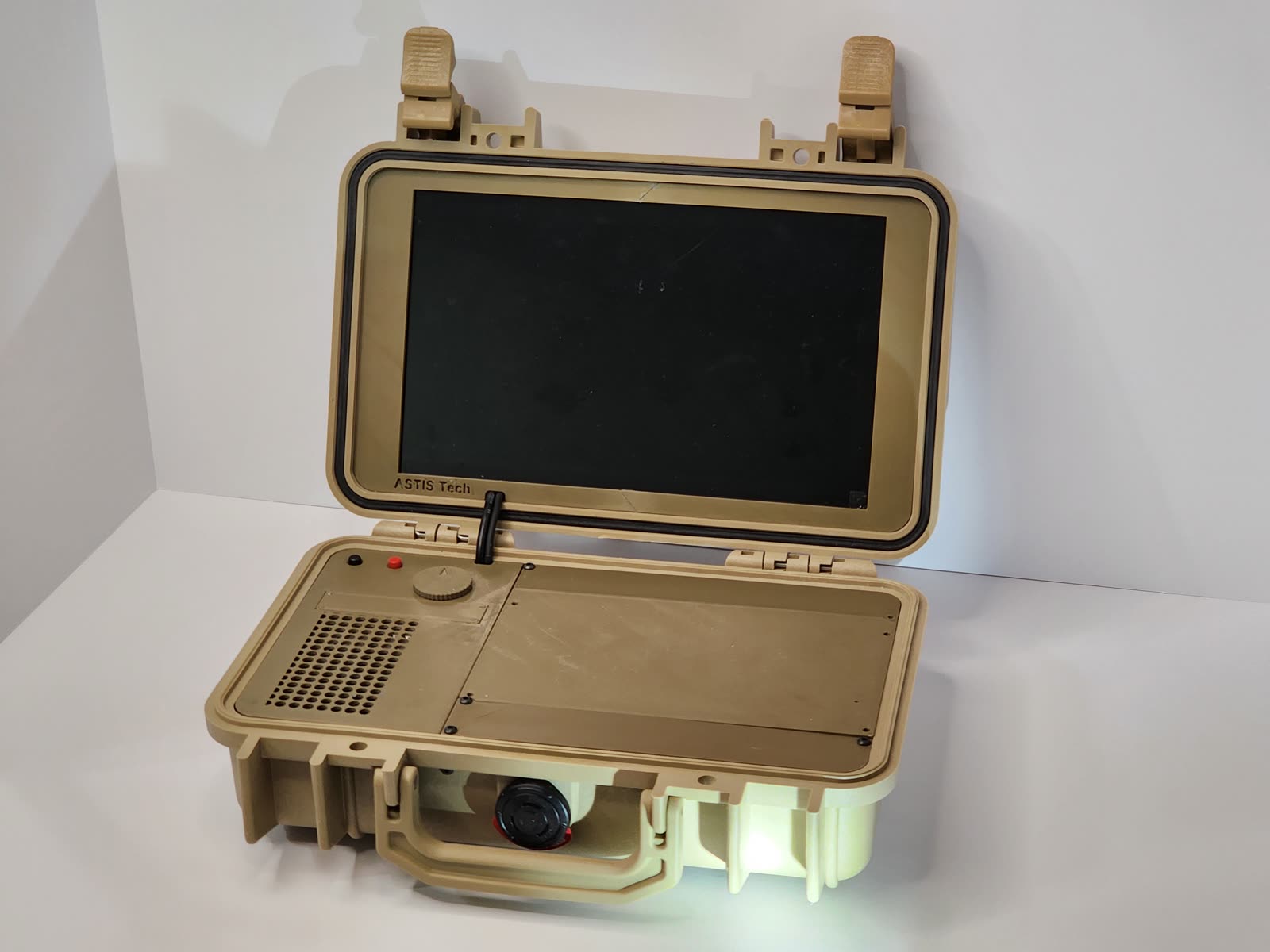
Full relay chain: mast node → fiber/UTP → operator stations. Two-case setup packs into standard backpacks.
A 9 m (29.5 ft) carbon-fiber mast weighing just 3 kg (6.6 lb), engineered for one-person rapid deployment as a communications relay node.
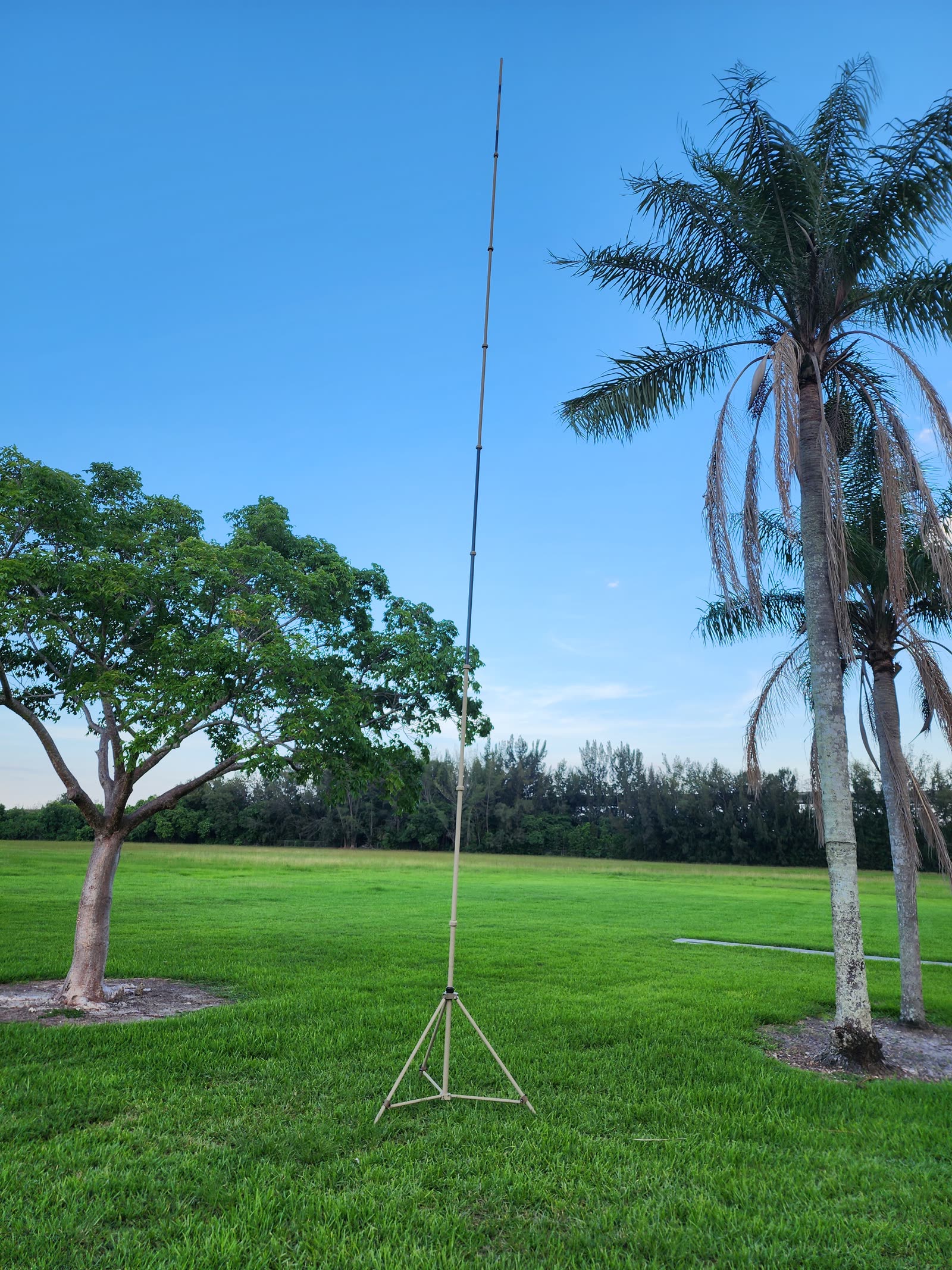
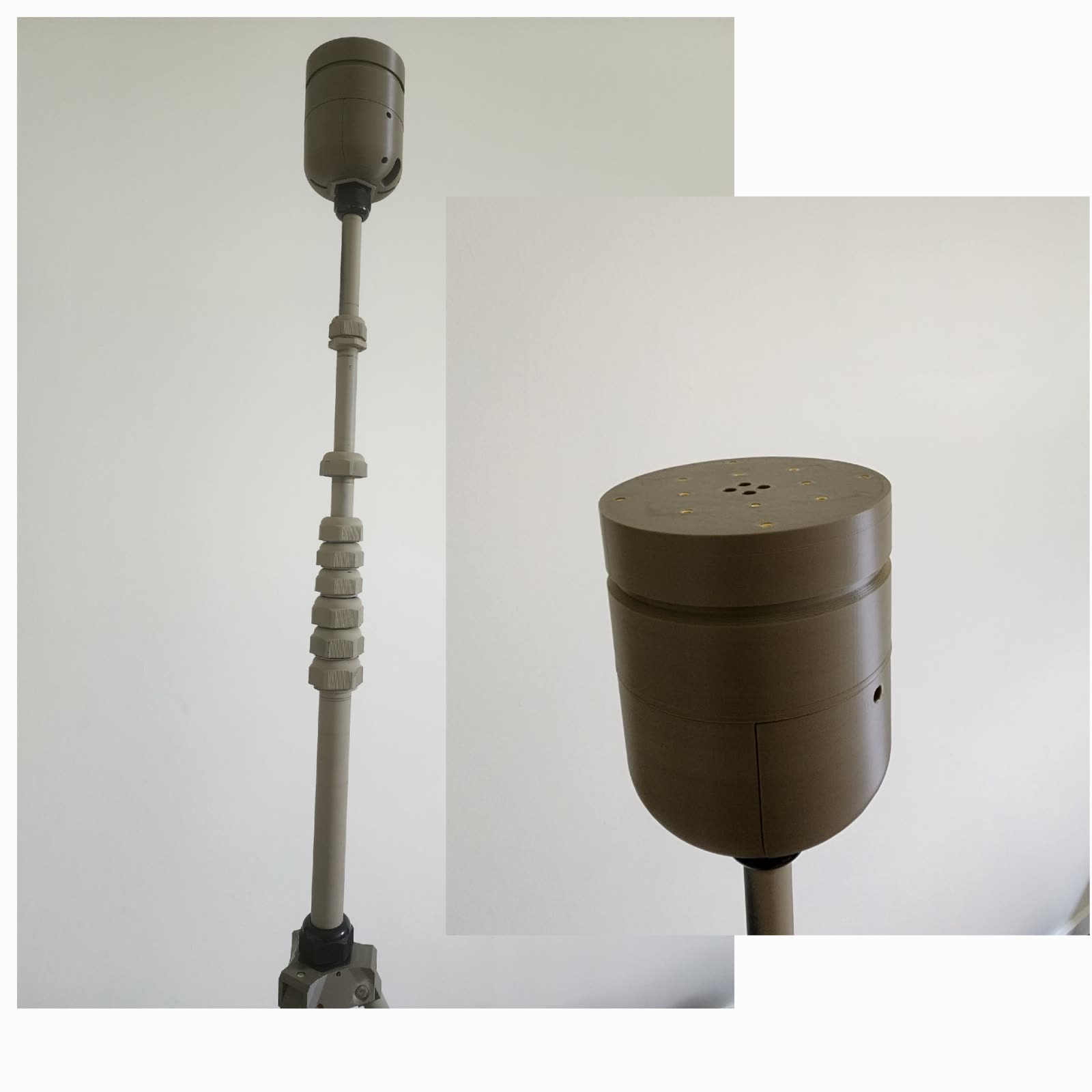
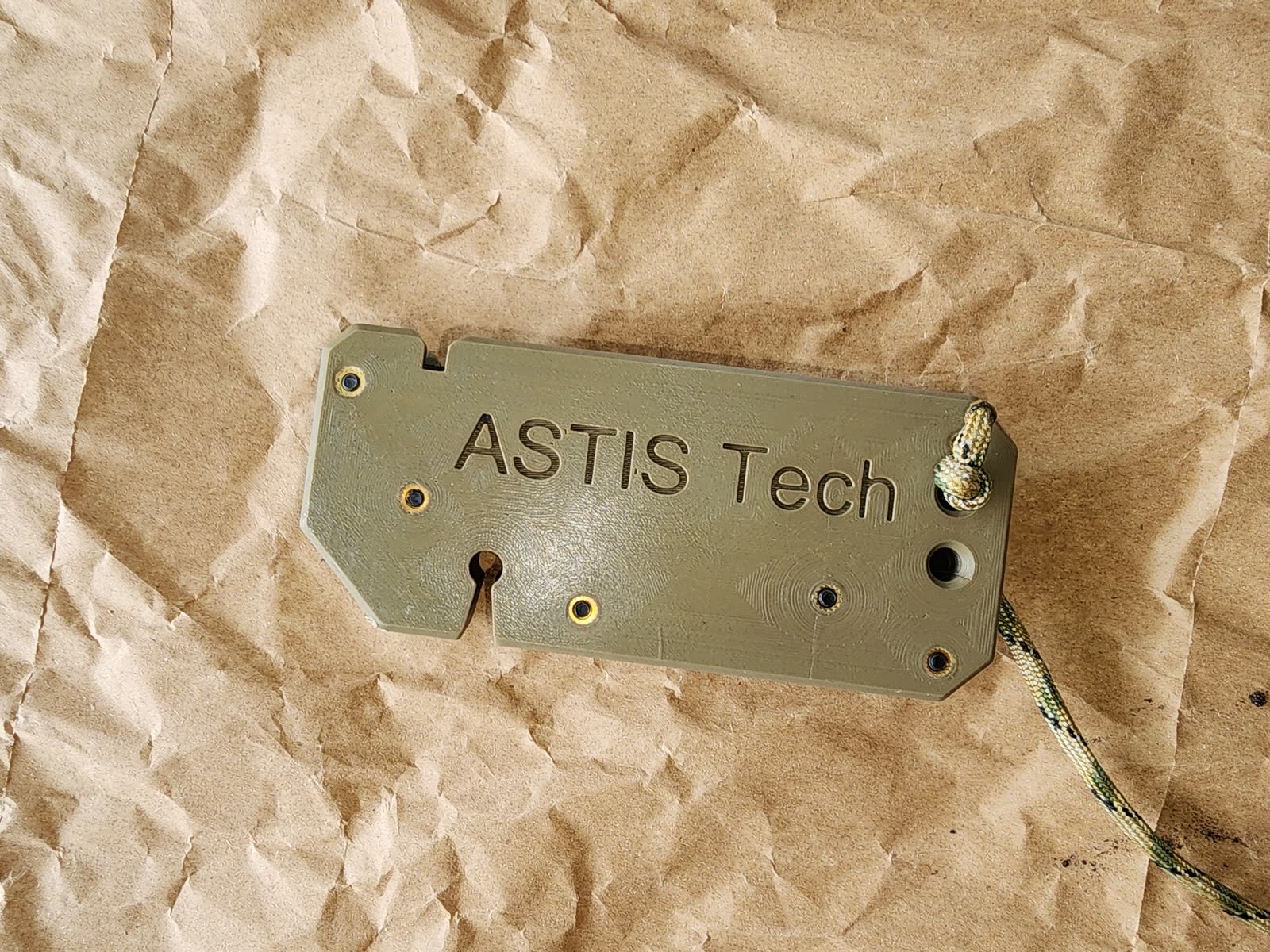
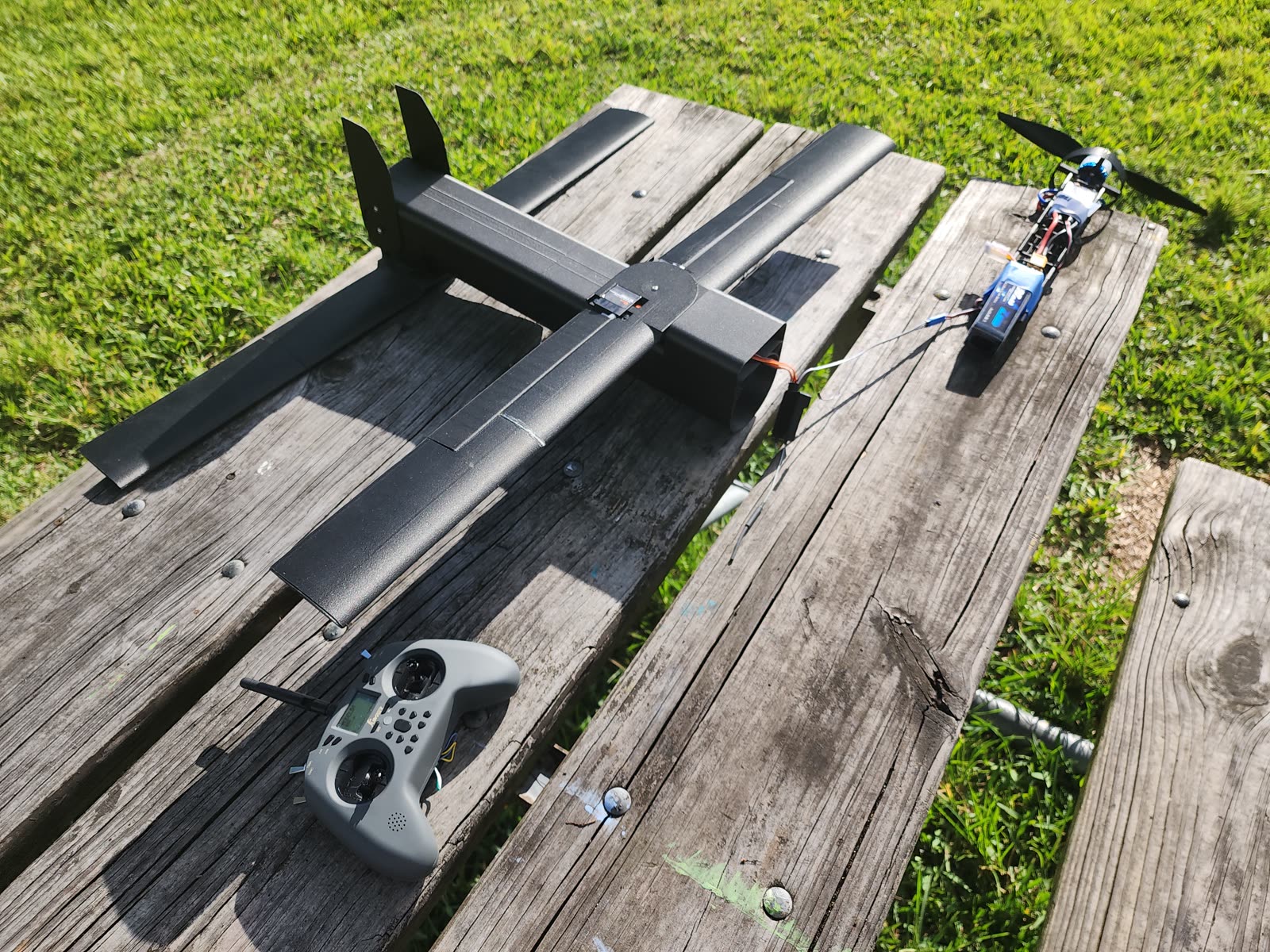
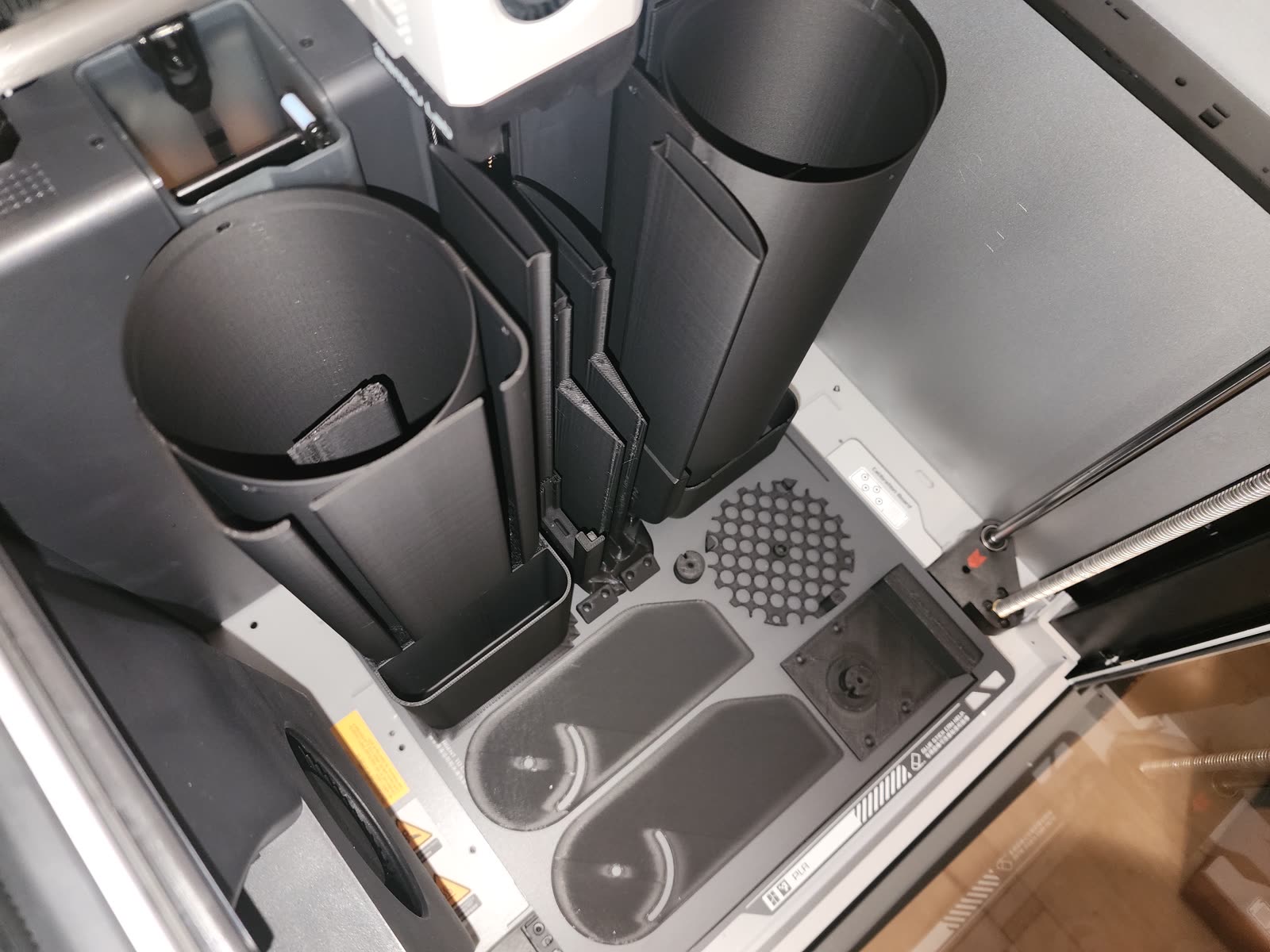
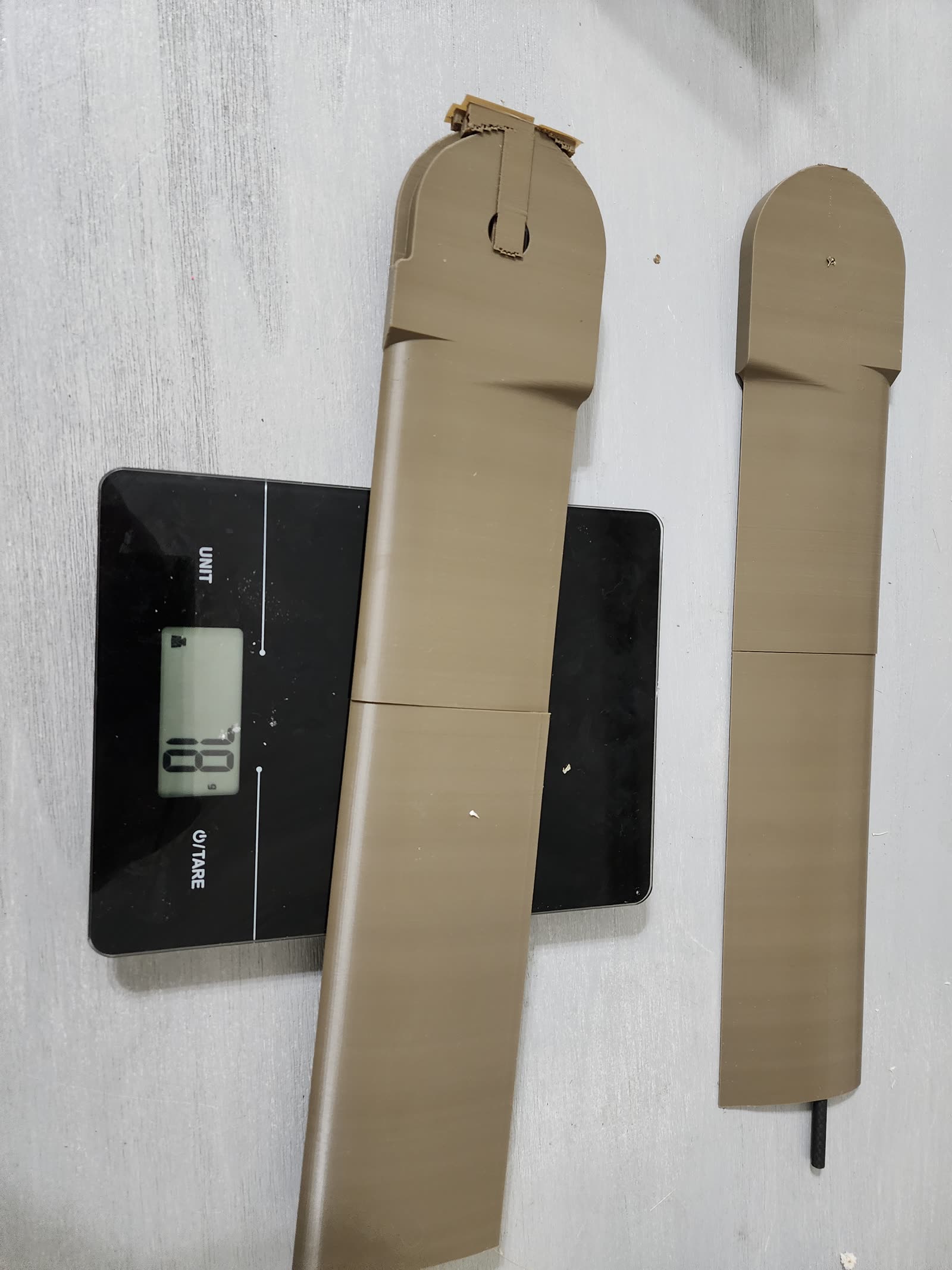
UAV platforms developed from scratch: airframe geometry, structural layout, electronics integration and launch subsystems.
Compact low-power vision module (Raspberry Pi Zero class, OpenCV) for visual target acquisition and lock — designed to keep an unmanned platform on task when GPS and the control link degrade.
Analog/digital circuit design; Raspberry Pi, ESP32, Arduino; sensor and actuator integration (IMU, servo, motor drives); hands-on assembly and soldering.
Wi-Fi, Bluetooth, LoRa; UART, SPI, I2C, CAN, RS485; Ethernet and optical fiber; encrypted low-latency command-and-control link design.
PID and feedback control, flight-controller development and tuning, operator-to-platform control flow for resilient field operation.
C, C++, Java, Python; OpenCV computer vision on embedded targets; Spring Boot backends; modular integration architecture.
Fusion 360, Onshape; prototype-oriented design for UAV/UGV; rapid fabrication methods for structural components.
Power distribution design, LiPo / Li-ion battery systems and charging integration for unmanned platforms.
First flying UAV prototypes. FHSS C2 modules on the bench. Embedded vision proof of concept.
GCS + GVS operator stations and 9 m mast through repeated field cycles. Relay chain and link testing.
UGV field mobility campaign: loose sand, soft mud, grass slopes, stair climbing. Platform validated to TRL 5.
Structured field campaign targeting TRL 6 is under way: UGV platform and secure C2 links in a relevant environment, including amphibious trials. Results will be published here as they are confirmed.
| Program | Stage | Validation | Next · 2026 |
|---|---|---|---|
| Tracked UGV platform | TRL 5 | Field tests, 2025 — sand, mud, slopes, stairs | TRL 6 field campaign |
| Secure C2 / FHSS links | TRL 4 | Bench validation, live SDR demo | Field trials with UGV platform |
| Ground stations + carbon mast relay | TRL 5–6 | Field-test cycles throughout 2024 | Re-validation in 2026 campaign |
| Fixed-wing UAV & manufacturing | TRL 4–5 | Flying prototypes, link testing, 2023–2024 | Flight cycles |
| Embedded vision / terminal tracking | TRL 3–4 | Bench validation, 2023 | Platform integration |